How To Have More Energy After Work, a 2024 in-depth guide

I know many people have really hard jobs, and in the evening after work, there is often not much energy left, and all you want to do is relax. So, going home, eating, and chilling in front of the TV seems to be the right thing to do. But ask yourself:
Is that really how you want to live your life?
Do you think once you’re 80 years old and look back at your life, you will say, “I wish I spent more time in front of my TV!”
I think not. This means when you are tired every day after work, then something needs to change. The sooner, the better, so you have energy in the evenings to do all that really matters.
Maintaining a healthy work-life balance and separating work from personal life can significantly improve your energy levels. Your personal life impacts your mental well-being, and managing it well can help reduce stress and burnout.
Change always starts with understanding the problem, and that’s what we are going to do right now. Let me help you to understand how to have more energy after work.
Here are some of my favorite ways to increase your energy after work:
- Identify Fatigue Causes: Understand different types of fatigue (mental, physical, chronic) to address them effectively.
- Prioritize Sleep: Ensure 7-9 hours of quality sleep in regular cycles to maintain energy.
- Manage Workplace Stress: To reduce stress, take regular breaks, exercise, stay organized, and avoid using your phone during breaks.
- Balance Physical Labor: If your job is physically demanding, focus on rest, nutrition, and targeted exercises.
- Reduce Caffeine and Sugar: Limit intake to prevent energy crashes; opt for complex carbs instead.
- Boost Daily Energy: Get morning sunlight, train focus, plan enjoyable activities, stay hydrated, and engage in regular cardio.
Why am I tired after work?
It is important to understand that fatigue can have many reasons and that there are different types of fatigue. For example, there is a clear difference between mental and physical fatigue.
Additionally, if you feel tired after work, it could just be a short energy low, or it could be a rather long-term state like chronic fatigue syndrome, which lasts at least six months.
A poor work-life balance can contribute to feeling tired after work. Spending personal time thinking about work and bringing work projects home can lead to negative effects like sleep deprivation and poor mood.
Scientists are still unsure why people feel so tired after mentally demanding work. There has been much discussion about it, so if you are wondering why you are often so tired, you are not the only one.
It is still a hardly understood area.
Still, there have been breakthroughs, such as a recent study. Scientists were able to link fatigue to the accumulation of the neurotransmitter glutamate. This study may be one of the first steps to gaining an even deeper understanding of fatigue and finding new solutions.
However, many key elements that can lead to loss of energy have already been found, and protocols on what you can do to prevent this have been developed.
Let’s start with reasons why your energy levels are often low and drained in the evenings.
1. You do not get enough sleep
This is a no-brainer. Obviously, you will feel tired when you do not sleep enough. As basic as it sounds, many people do not get sufficient restful sleep at night.
About one-third of adults sleep less than 7 hours per night. How much sleep one needs at night depends on the person, but it’s clear that sleep deprivation has many negative effects. One of them is a lack of energy, especially after a long day of work.
If you regularly miss essential sleep time, the other tips in this article won’t help you. Sadly, we can not change the fact that we are animals and that we need to sleep seven to nine hours to stay healthy and energized.
The first thing you should find out is how much sleep you actually need.
Here are some guidelines provided by the Sleep Foundation.
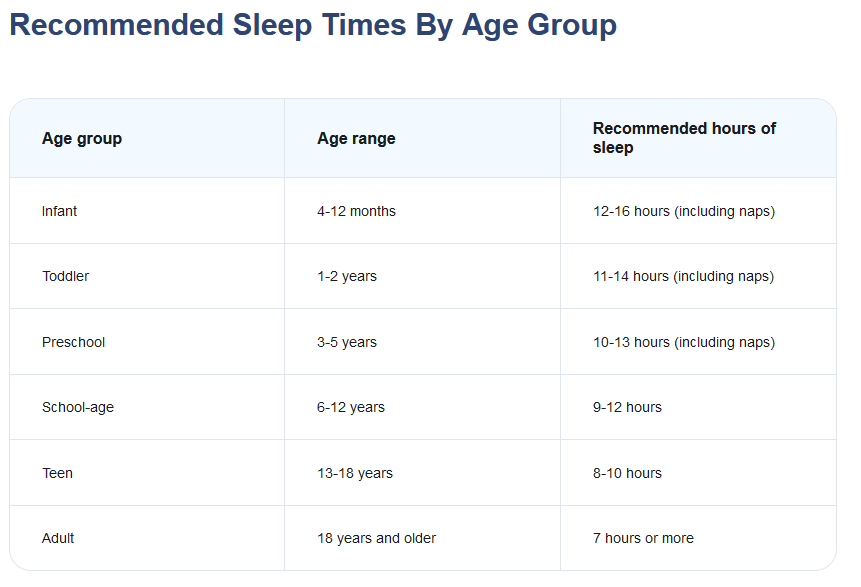
I think most of you know how much sleep is enough sleep for you.
It is important to know that humans sleep in cycles. Each cycle takes about one and a half hours to complete. Ideally, you wake up at the end of a cycle because the last two phases of sleep are the ones when you get the most recovery.
But, when talking about sleep, it’s not all about quantity. You also need good quality sleep. When talking about quality, routine is the most essential factor. Getting a regular sleep schedule will help you fall asleep faster, stay asleep during the night, and improve regeneration during sleep.
Having a steady sleep-wake cycle could be the game changer for most of you out there.
2. Your Job is Stressful
If you are experiencing constant workplace stress, you will feel drained in the evening; there is no way around it.
When you are stressed, your body releases the hormone cortisol. In the short term, cortisol activates a fight or flight response, which activates the body and mind. However, if the levels stay too high for too long, you will experience many negative effects.
This includes a loss of energy because your body is actually ready to fight for an extended period of time.
Chronic stress even proves to be toxic for the brain.
Luckily, there are many ways to reduce stress at work and overall
Take short, regular breaks at work. Ideally, get some fresh air and sunlight and take some deep breaths, focusing on elongating your exhales.
Regular exercise and ice baths can help you train to keep control while willingly inducing stress.
A 15 to 25-minute power nap can work wonders, but it is not for everyone.
Plan, schedule, and stay organized. Through this, you can stay more focused and less overwhelmed.
Don’t use your phone during your breaks; it only makes it worse.
3. You are sitting all day at work
Nowadays, most work involves sitting in front of a computer screen. If you sit all day and do not move much, your body gets tight, and your energy levels sink.
If you do not counteract this, it will get worse every day. Incorporating a morning workout into your daily routine can kickstart your day and promote physical activity throughout the day.
Still, the easiest way to activate your body and get energized is to move it.
Take some time during the day to move, stretch, and get your heart rate up. Ideally, you activate your body multiple times a day.
Have you ever thought of using a stand-up desk? I know it sucks at first, but be sure you will feel better during and after the day. I am standing while I am writing this article, and it helps a lot.
I know stand-up desks are expensive, but there are also relatively cheap stand-up desks converted like the one I use.
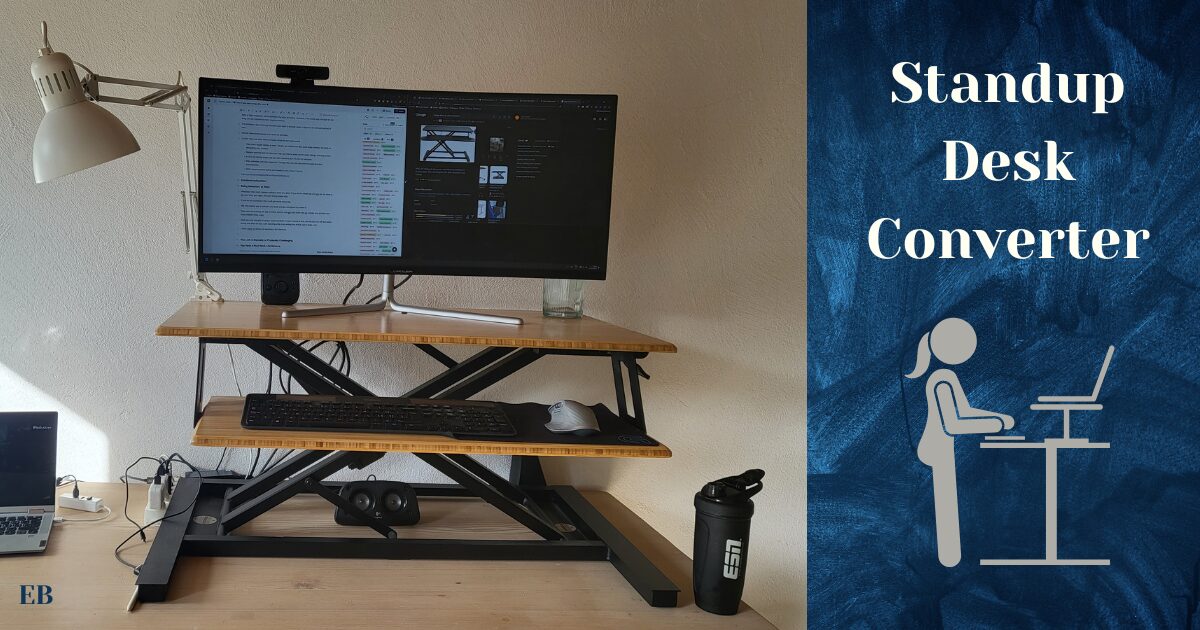
I’d say you have no excuse why you should stay all day in your uncomfortable chair😉.
4. You are doing too much physical labor
If you work in construction or any other physically taxing job, you are going to be pretty dead after a long day of work.
You use a lot of energy, and you do not get sufficient rest. That’s why you should focus on physical regeneration.
Do strengthening and stretching exercises specifically for your type of work. Train the muscles that you use a lot so they do not fatigue that quickly, and you keep your body safe from injury. Also, stretch so you can move freely because muscle tension can actually make work even harder.
Get enough sleep. Sleep is still the most regenerative state for your body. The better your sleep quality, the higher your energy levels after work.
Focus on your nutrition and stay hydrated during the day.
5. You’re consuming too much Caffeine or Sugar
A lot of people consume sugar and caffeine products to have more energy, but I can actually have the opposite effect.
Caffeine, on the one hand, makes you more awake because it blocks the neurochemical adenosine, which would actually make you tired. However, once this effect wears off (often in the evening), all the built-adenosine kicks hard, and you will get an after-caffeine low.
Additionally, caffeine takes eight to ten hours to wear off fully; if you go to sleep during this time, your sleep quality decreases, and you will feel drained the next day. Then, you need even more caffeine, and you enter a vicious cycle.
Sugar has a similar effect; when you consume it, your blood sugar spikes, leading to a quick rise in your energy levels, which is followed by a low.
That’s why I suggest no caffeine after two and focus on eating more complex carbohydrates, meaning whole grains and veggies, instead of a poor diet with high sugar content.

6. You are overworking
Your body only produces that much energy every day. If you are overworking, you use more energy than your body can produce.
This applies to physical and mental health. Thinking, reasoning, and talking use way more energy than you think.
I know many have demanding but important work to do, but you are helping no one if you are working towards burnout.
You need to have a healthy work-life balance. This means that you need to be intelligent in using your time and energy. There needs to be a place for your work, personal goals, and health.
7. Depression and Anxiety
Do you feel down or sad most of the time, or have you lost interest in most of the activities you like?
In the past months, were you constantly afraid of a specific situation, or did thoughts of a past event haunt you during your days?
If you could answer one of those questions with a yes, chances are that you tend towards depression or a form of anxiety or maybe even PTSD.
Those disorders are nothing to be ashamed of, but they will drain your energy, and no matter what, if you lack mental well-being, then you lack energy or motivation.
It is very important to note that those two questions are by far not enough evidence to make a diagnosis, but maybe you should consider talking to a specialist.
Get professional help.
Therapy or coaching can work wonders, and your energy levels will rise once you start battling your disorder.
What are some simple practices anyone can do to have more energy after work?
Now, we have examined many reasons why your energy levels could be depleted in the evening, and I have given you at least one answer to every problem.
A few other tips to improve your energy levels include setting a comfortable temperature in your workspace, using noise-canceling headphones to minimize distractions, and occasionally changing your place of work to keep your environment stimulating.
In the next section, we discuss other tools for increasing energy and combating post-work fatigue in general.
1. View sunlight in the morning

Yeah, I know it sounds odd at first, but viewing bright sunlight in the morning can actually increase your energy throughout the whole day. But how?
Sunlight is the number one factor that regulates our circadian rhythm, meaning our internal clock.
If you make it a habit to get sun exposure daily for at least 10 minutes in your first waking hour, then your body naturally releases more hormones that make you awake in the morning. Leading to more energy during the first hours of the day.
Additionally, a more balanced hormone system will help you sleep better and more easily.
2. Train your focus

The ability to concentrate is essential to life, but sadly, we usually never get taught it. Many even have trouble focusing for an extended period of time.
In essence, it is a very simple skill: the ability to keep one’s awareness on one task or object for an extended period of time. However, mastering it is insanely difficult.
Focus helps you preserve your energy because distraction drains it. Every time your attention needs to switch, you lose some energy, causing mental exhaustion.
To train your focus, you can practice mindfulness or meditation.
The easiest way to practice mindfulness is to try doing only one thing at a time and focusing 100% on it. Try to be more in the present moment and train to not get distracted.
Meditation is a practice you can do for 5-30 minutes a day that extensively trains your focus. There are many tutorials online.
Also, try to eliminate distractions in your workspace to improve your focus even more.
3. Plan to spend time on your hobbies
I think everyone knows the feeling when you are at work or in school and you know later that day you are going to do something you love, and you can’t wait to do it.
You want to recreate this feeling of excitement in your everyday life because it activates and motivates you. A big part of having more energy is activating the mind, not just the body.
So, plan ahead. Whatever it is, lock it in your calendar. It could be anything:
Practice sport (ideally with your friends)
Going out and meeting friends or family
Working in your garden
Play with your kids
Whatever you love to do, do it more.
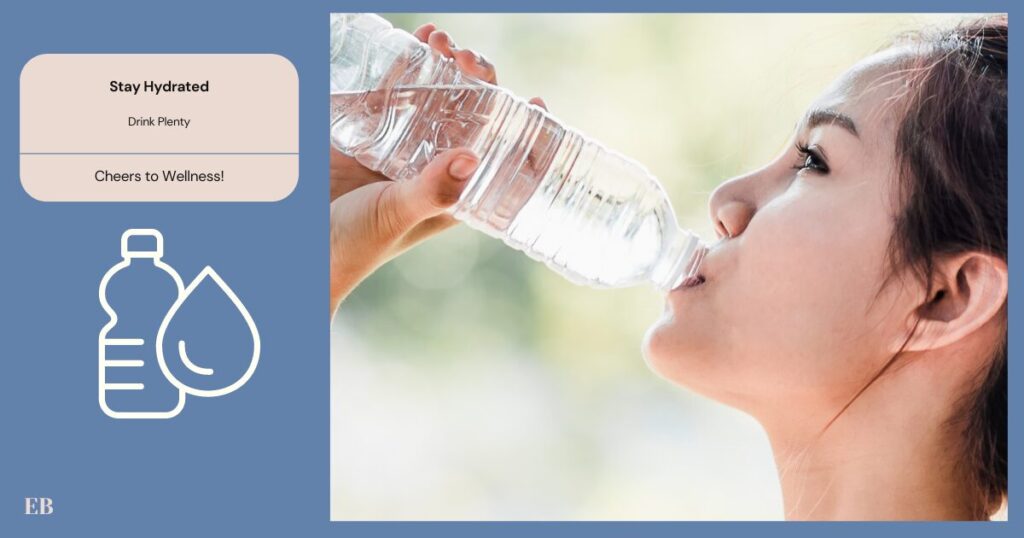
4. Drink plenty
Humans should drink about 2.4 liters or 18 ounces of water every day in the first ten hours of the day. Age, gender, and weight do not play a huge factor. Even mild dehydration can cause mental fatigue, and you may feel tired.
Drinking is an easy thing to do to keep the body nice and healthy.
Please drink a lot of water. A beer, coffee, or soft drink is occasionally okay, but it shouldn’t be your main fluid intake.
5. Cardio work
At least two 30-minute cardio workouts a week can work wonders. They keep your circulatory system healthy, and if your blood flows more freely through the body, your energy levels will rise as well.
Getting your heart rate up a few times a week can make a real difference. You can go running, play soccer, or use the home trainer. Whatever fits your life.
How this guide can help you
I hope that this overview has helped you identify some aspects of your life that you could change in order to increase your energy levels.
Everyone is different, and each has a unique background and lifestyle. I can not tell you what to do, but I guess now you have some ideas. It is your job to put it into practice. I am sure you can change some aspects of your life so that you can enjoy your evenings even more.
If you feel like seeing a physician could help, don’t shy away. Health should always be the first priority. Many physical conditions may also drain your energy; maybe you only need to work on those.
Summary
Living in a low-energy state is a waste of life.
However, as we have seen, this is fixable, and there are countless ways to increase your energy.
Always strive to improve, find new ways, and begin to understand yourself better. Just imagine the life you would live if you had much more energy. What would you do? How would you spend your time? I hope the answers to those questions give you enough drive to really improve your state and get going.
FAQ
What dietary changes can help increase my energy?
Eating balanced meals with plenty of fruits, vegetables, whole grains, and lean proteins can sustain energy levels. Avoiding excessive sugar and caffeine can prevent energy crashes. Regular, smaller meals throughout the day can also help maintain steady energy levels.
What are some immediate ways to boost energy levels?
Quick methods to increase energy include taking a short walk, drinking water, eating a healthy snack like fruit or nuts, and practicing deep breathing or light stretching exercises.